Political speech and the Defence Forces – Part 1 – The apolitical nature of the Defence Forces and the legislative history of section 11 of the Defence (Amendment) Act 2024
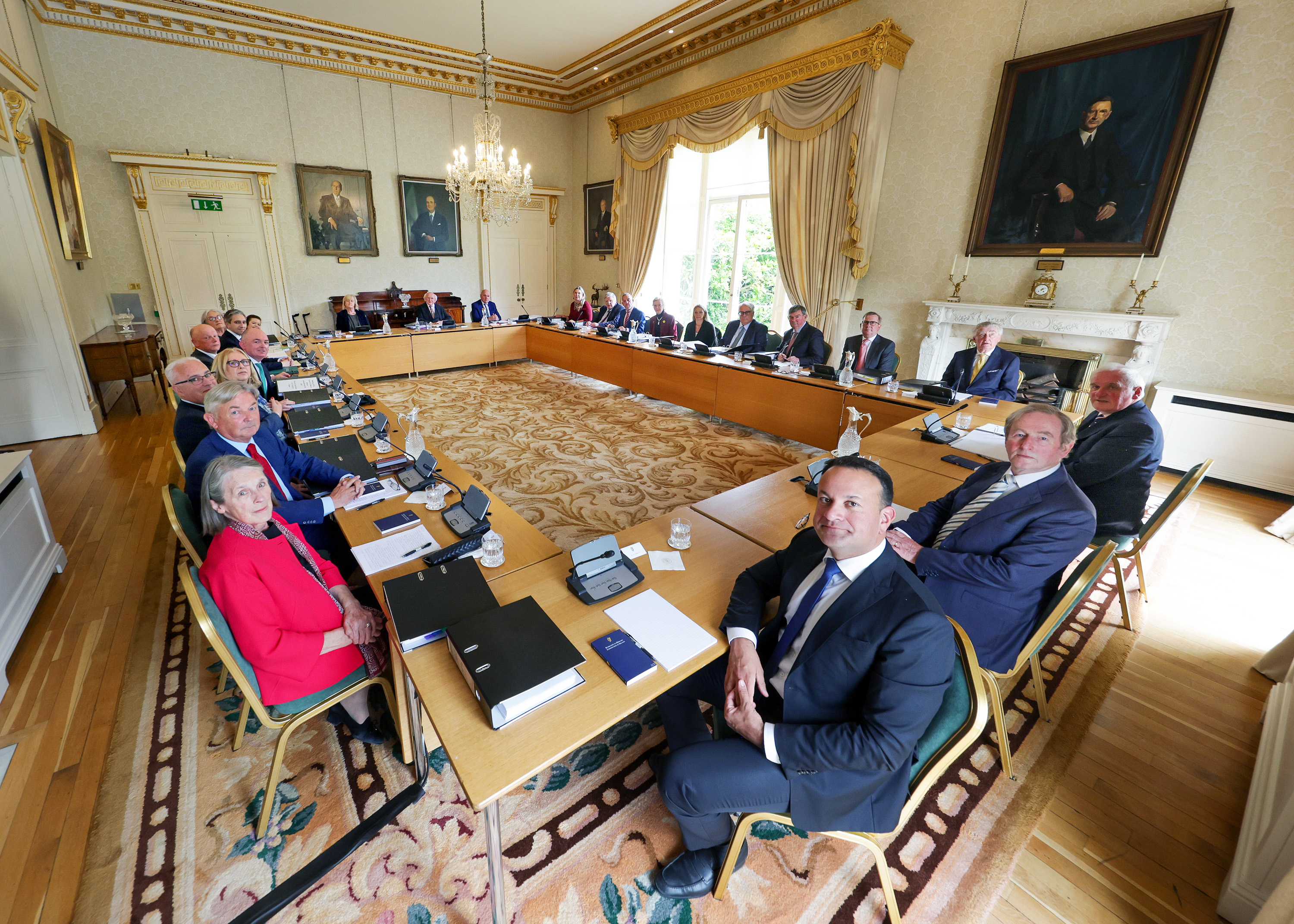 Having considered the Defence (Amendment) Bill 2024 (the Bill) and the advice of the Council of State (pictured left), the President yesterday (Wednesday, 17 July 2024) signed the Bill and it accordingly become law as the Defence (Amendment) Act 2024 (the 2024 Act) (see Irish Times, 17 July 2024). Articles 31 and 32 of Bunreacht na Éireann provides provides for a Council of State to aid and counsel the President. Article 26 provides that the President may, after consultation with the Council of State, refer a Bill to the Supreme Court for a decision on its constitutionality. Last Monday, 15 July 2024, the President convened a meeting of the Council of State (pictured left), to hear from the Council regarding the constitutionality of the Defence (Amendment) Bill 2024. In a statement in advance of the meeting, the President said that he intended “to consult the Council of State in particular on Sections 11 and 24 of the Bill and whether the interference with constitutional rights is disproportionate” (see Irish Times, 12 July 2024). Section 11 of the Bill (now Act) restricts the Article 40.6.1(i) right to political expression of a member of the Permanent Defence “while in uniform or otherwise making himself or herself identifiable as a member of the Permanent Defence Force”.…